Integrated RECIST + ILD Workflow Enhances Safety Monitoring in an ADC Oncology Program
Summary
Interstitial lung disease (ILD) emerged as a potential safety signal within a multi‑cohort antibody–drug conjugate (ADC) oncology program. Recognizing this need early in development, the sponsor study team sought an imaging solution capable of performing centralized ILD monitoring alongside ongoing RECIST tumor response assessments, without adding complexity and disrupting image flow or timelines.
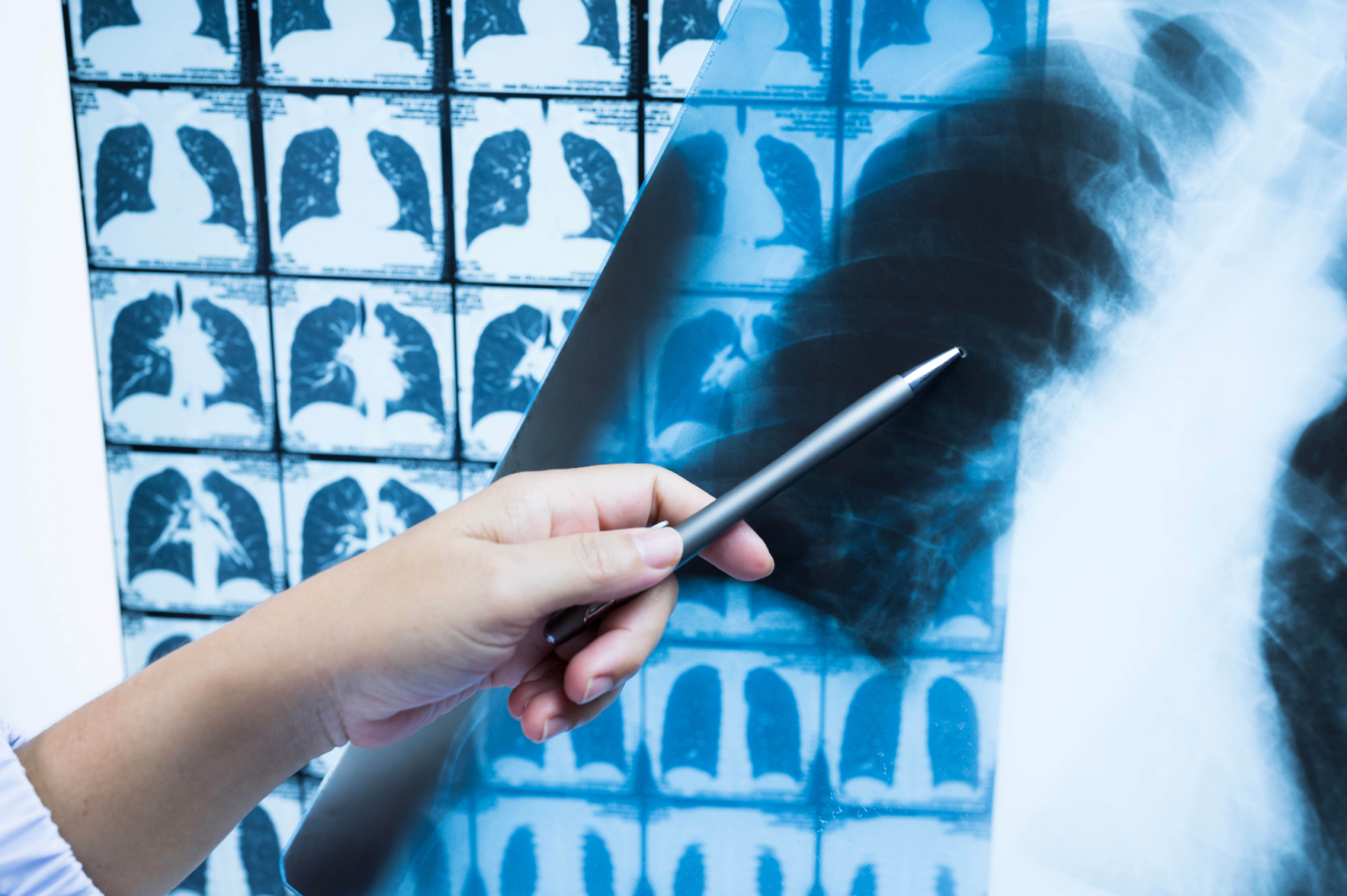
Voiant delivered this through its Integrated RECIST + ILD Workflow that enables dual safety and efficacy assessments from a single scan stream, an advanced capability rarely operationalized effectively across the industry. By consolidating workflows and leveraging deep thoracic radiology and pulmonology expertise, Voiant provided a streamlined, scalable framework for real‑time ILD safety evaluation, with the flexibility to incorporate expert pulmonology review when required.
Background
A leading global biopharmaceutical sponsor launched a Phase I/II multi-cohort ADC program during a period of increased regulatory and clinical focus on drug‑induced pneumonitis and ILD. With ADCs and immuno‑oncology (IO) therapies carrying well‑recognized risks of pulmonary toxicity, the sponsor prioritized enhanced safety oversight early in development to ensure robust detection and management of potential lung‑related adverse events.
To meet this need, the study team explored options for integrating centralized ILD monitoring directly alongside their existing RECIST‑based efficacy workflow, without increasing site burden, disrupting image flow, or slowing study timelines. The sponsor engaged Voiant due to its proven ability to operationalize complex, interdisciplinary imaging workflows with speed and precision.
Through early strategic collaboration, Voiant designed a seamless approach enabling ILD assessment to be incorporated directly into the study’s imaging plan, ensuring operational continuity while elevating the rigor of pulmonary safety monitoring across all tumor cohorts.
Voiant Solution: One Unified Read
Voiant delivered a fit‑for‑purpose, operationally seamless ILD monitoring solution built on four differentiating pillars:
- Single Scan Stream, Dual Assessments: Expert radiologists conducting RECIST and ILD safety assessments work from a single scan stream within one unified workflow. This eliminates:
- Duplicate scans
- Unnecessary radiation from additional scans
- Extra uploads
- Redundant data workflows
- Interruptions to study timelines
- Custom ILD Safety CRF and KOL‑Aligned Framework: Drawing from the ATS/ERS/JRS/ALAT guidelines, Fleischner Society recommendations, and established pneumonitis criteria, Voiant developed a tailored ILD toxicity CRF designed to:
- Capture ILD‑relevant CT features
- Document change from baseline
- Standardize pattern-based interpretation
- Support downstream analytics and regulatory readiness
- 1+1 Model: Radiologist + Pulmonologist Paradigm: Beyond traditional radiology-only models, Voiant utilizes an interdisciplinary approach that strengthens the clinical interpretation of ILD findings, especially critical in First-in-human (FIH) and ADC programs. Voiant supports a structured 1+1 hybrid paradigm where:
- Radiologists provide structural imaging assessment
- Pulmonologists perform clinical attribution, context integration, and Common Terminology Criteria for Adverse Events (CTCAE) grading support.
- Platform‑Driven Agility via Voiant Hub: Voiant’s in‑house platform Voiant Hub’s purpose-built infrastructure enables the following to ensure clean inputs, controlled governance, and operational predictability:
- Automated image QC
- Effortless site uploads
- Rapid study start-up
- Unified data flows
- Customizable real-time dashboards for operational and safety oversight
Success Factors
These core capabilities allow Voiant to deliver a fast, reliable, and precise safety workflow:
- Operational Excellence: Automated QC, streamlined site uploads, and frictionless implementation seamlessly incorporates ILD monitoring without any impact on trial timelines
- Established Safety Frameworks: Voiant’s experience across ILD, pneumonitis, immune‑related toxicities, and other pulmonary safety workflows supports rapid configuration and deployment
- Therapeutic Expertise: With access to both expert thoracic radiologists and pulmonologists, Voiant ensures accurate ILD detection, clinically meaningful interpretation, and confident decision‑making
- Purpose-Built Centralized Technology: Voiant Hub’s AI-enhanced optimization enables unified data streams, customizable builds, and compliant read governance
Impact
This integrated model delivered significant value to the sponsor:
- Proactive pulmonary safety oversight embedded directly within the RECIST workflow, enabling earlier detection of ILD signals
- Reduced operational burden by eliminating duplicate scans and separate parallel over‑read pipelines that traditional vendors typically rely on
- A scalable framework ready for deployment across future ADC and IO studies, supported by standardized CRFs and interdisciplinary expertise
- Stronger regulatory readiness through structured, consensus‑aligned documentation and pattern‑based assessment
Conclusion
As drug-induced pneumonitis and ILD grows increasingly central to the safety profiles of ADC, immunotherapy and targeted oncology programs, Voiant’s Integrated RECIST + ILD Workflow offers sponsors a streamlined, clinically rigorous, and operationally efficient model for pulmonary safety oversight.
Leveraging established safety frameworks, interdisciplinary clinical networks, and a flexible platform architecture, Voiant is uniquely positioned to integrate complex safety endpoints quickly and consistently, enabling sponsors to adopt new requirements confidently while maintaining continuity across evolving oncology portfolios. This approach reflects Voiant’s broader safety‑endpoint capabilities and its experience across multiple therapeutic areas, supporting sponsors as their programs expand in scope and safety demands.
Connect with our team to see how easily safety endpoints can be added to your imaging workflow.
Want more like this? Join our mailing list.
Gain insights from the imaging experts behind 70+ successful drug approvals trusted by leading biopharma teams worldwide.
"*" indicates required fields